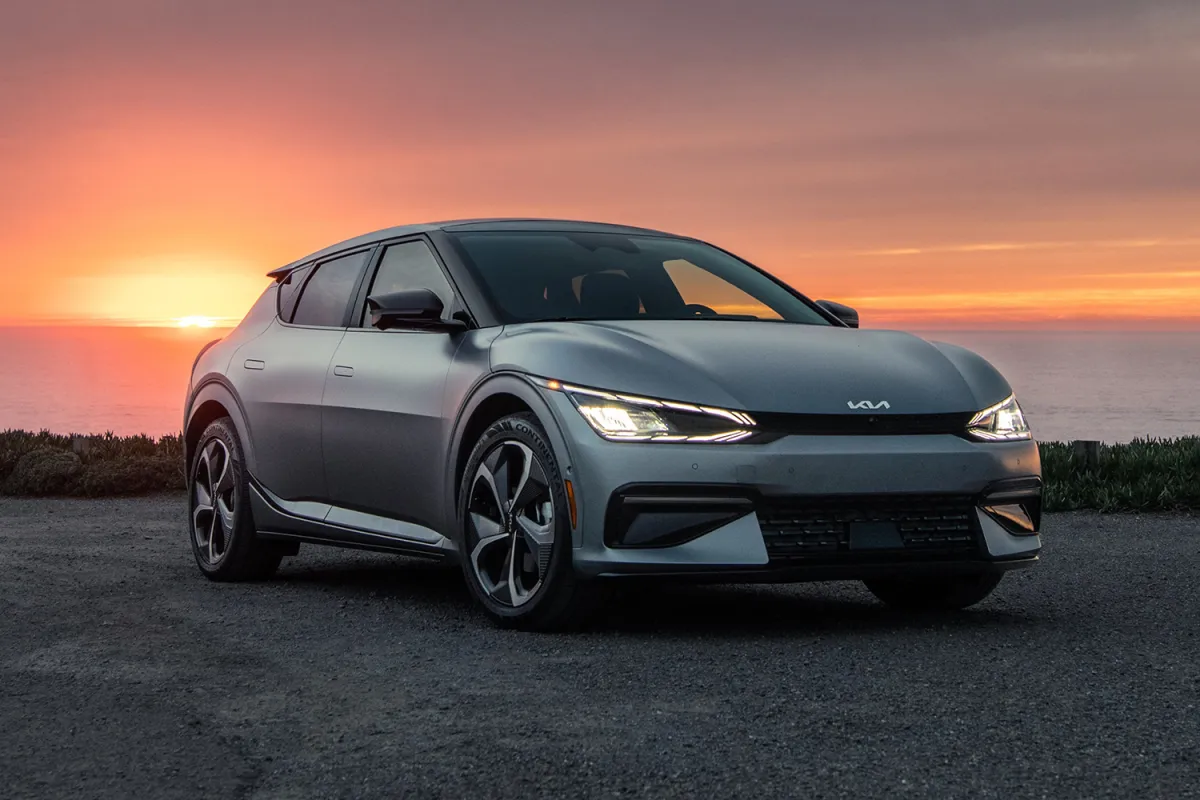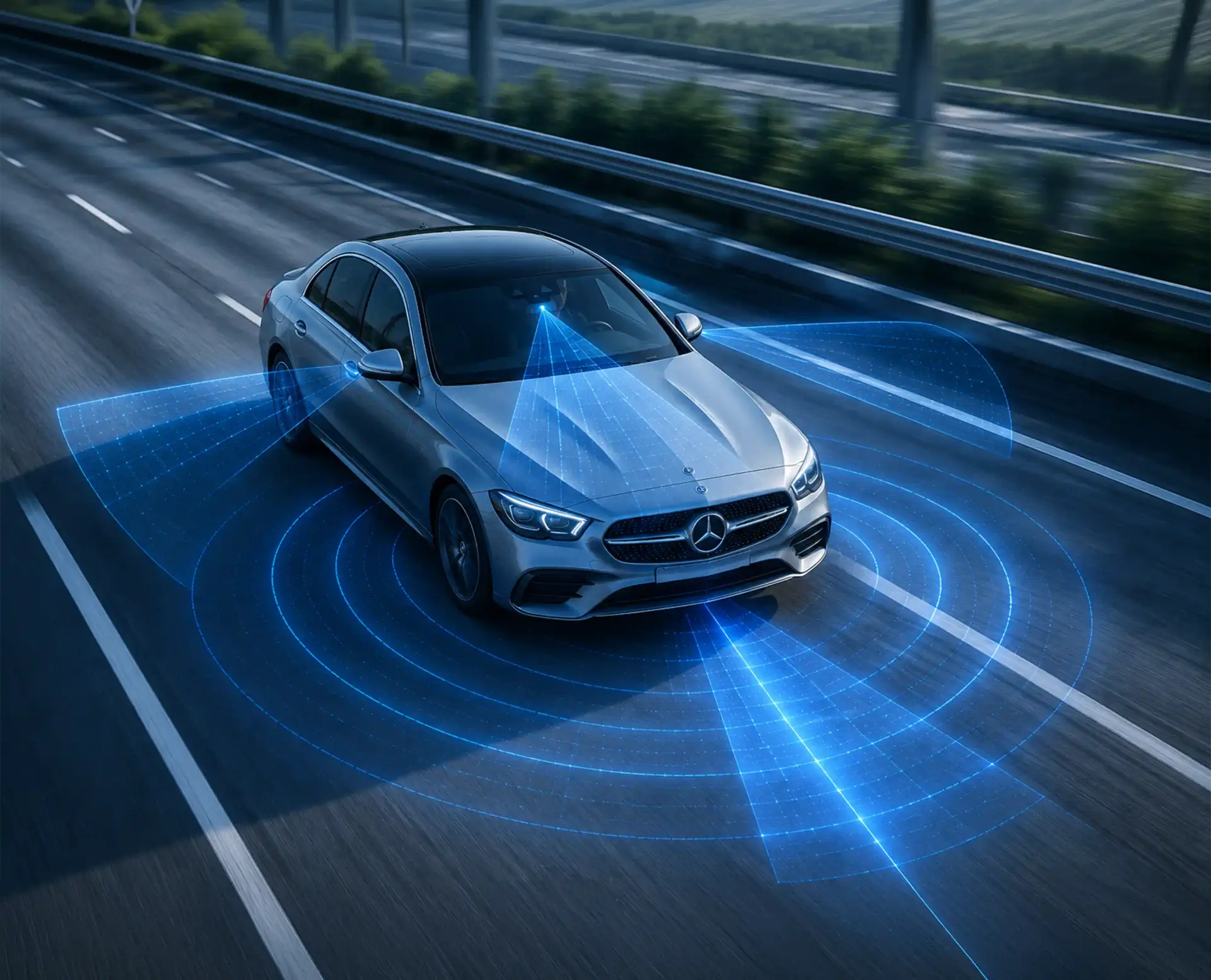
Your new car is a moving computer in all the ways the world has become technologically advanced in the past 10 years. Your car, truck, or SUV can help you navigate the road in many ways with the help of cameras, radar, imaging software, and more.
However, if any of those cameras or sensors are damaged or misaligned, the system can fail. Vehicle owners may ensure their systems are operating properly by having the system recalibrated after a collision and after any work is done on the vehicle—including windshield replacement.
What Are the Basics of Driver Assist Technology?
Advanced Driver Assistance Systems (ADAS) are the safety devices that are built into your car. More than likely, you’ve heard of anti-lock braking and cruise control, but over the past few years, auto engineers have worked on and added a slew of new safety features that may help you be a safer, less-stressed driver.
ADAS technologies include:
- Drowsiness detection: This system would make use of the changes in steering behaviour during longer trips to alert you to when you are becoming drowsy, perhaps by flashing a coffee cup (or other symbol) on the screen.
- Heads-up display: Projecting your speed and other navigational information onto the windshield, heads-up displays allow you to keep your eyes on the road while collecting valuable information.
- Adaptive cruise control: When it’s time to take cruise control to the next level, adaptive cruise control maintains the set speed but adjusts to maintain a safe distance from other vehicles on the road.
- Autonomous emergency braking: This is also referred to as AEB, which means that the system senses cars or objects around you, determines the speed of the cars vs. you, and warns you if there is a possible collision with a car. It will activate the brakes if necessary if you do not react in time.
- Lane assist: It detects when the car is wandering off-course and applies a slight amount of torque to keep the car in the middle of the lane when it starts to wander.
- Blind-spot detection: With blind-spot assist, a light on your side-mirror(s) will turn on, notifying you that a vehicle has entered your blind spot. It will begin flashing the light and dinging the alarm if you try to change lanes when the light is on. For some of the models, the system will increase the steering torque to re-center the vehicle if the lane change drive-on continues.
Looking for home automation systems? Take a look at an intelligent thermostat. Find out more about how to install and replace a thermostat from our Neighborly partner Aire Serv.
Why Is Professional ADAS Calibration Important?
Some ADAS sensors are close to the windshield, so it’s important that they be recalibrated when the windshield is replaced.
To ensure your ADAS sensors are calibrated after a windshield replacement, your local Glass Doctor auto glass repair expert uses state-of-the-art technology.
If you have selected Glass Doctor as the windshield replacement service, you will get your technician to:
- Windshield replacement: Your technician will replace your windshield with a new windshield that meets the standards of the Auto Glass Safety Council (AGRSS standard)
- Pre-scan: Our technicians will check the vehicle and see if the camera and sensors are working properly. Otherwise, the car will have to be towed to a dealer for camera repair.
- Calibration: There are two types of calibration, namely dynamic and static. Dynamic calibration involves driving to the calibration, and static calibration involves calibration at a fixed distance from the vehicle with a fixed image target in front of it.
What is Windshield Recalibration?
Many of these sensors and cameras are located behind your windshield, which can temporarily misalign or impair the ability of driver-assistance systems you use. The cameras, radars, the computer imaging software, and other sensors need to function properly, which means they require ADAS recalibration services. We use specially designed ADAS calibration equipment to ensure that your system is calibrated and working correctly after the windshield is installed.
Why Should You Get Professional Windshield Recalibration Today?
Modern driving is easier and safer thanks to Advanced Driver Assistance Systems. The sensors must be recalibrated when the windshield is replaced to ensure that they perform as intended.
The local Glass Doctor technicians are sure and can be relied upon for quick and reliable ADAS recalibration services. Give us a call, or submit an online estimate to get started.
FAQ: How Does ADAS Calibration Work?
1. What is ADAS calibration?
The calibration of Advanced Driver Assistance Systems (ADAS) involves aligning and adjusting the cameras, radar sensors, lidar, and other safety systems within the vehicle. When the ADAS features are properly calibrated, they can more accurately identify the road conditions and possible hazards.
2. Why is the calibration of ADAS important?
The importance of ADAS calibration lies in the fact that it guarantees that the safety features of ADAS function properly, including automatic emergency braking, lane departure warning, adaptive cruise control, and blind-spot monitoring. If the system isn’t calibrated correctly, it can lead to decreased accuracy and affect the safety of the vehicle.
3. When should vehicles be calibrated with ADAS?
The following are scenarios in which a vehicle might need ADAS calibration:
Windshield replacement
Collision repairs
Suspension or wheel alignment.
Replacing sensors and/or cameras.Replacement of sensors or cameras.
Ride height or tire size changes (applies to the vehicle)
4. There are several types of ADAS calibration?
There are two main types:
Static calibration: Carried out in the workshop with the use of special targets and diagnostic devices.
Dynamic calibration: Carried out with the vehicle running under certain road conditions and the diagnostic tools measuring the system.
5. When should your vehicle be calibrated for ADAS?
This can be indicated by a warning light on the dashboard, a faulty driver assistance system, recent work to the sensor system or windshield, or vehicle manufacturer’s advice.
6. Yes, is it possible to drive without ADAS calibration?
The car can still drive, but uncalibrated ADAS sensors can give false readings or not react properly. The system is recommended to be calibrated immediately after qualifying repair.
7. How many seconds will be required for calibration of ADAS?
It will take different times depending on the vehicle and the systems involved. Depending on whether static or dynamic calibration is desired, some calibrations may take only an hour, or hours if both types are needed.
8. Does insurance cover the calibration of ADAS?
If ADAS calibration is needed following a repair (such as a collision or windshield replacement), insurance often will pay for it. The coverage will depend on your insurance policy and insurance provider.
9. What are the features of ADAS that need to be calibrated?
Common features that need to be calibrated are:
Forward collision warning
Automatic emergency braking
Lane departure warning
Lane-keeping assist
Adaptive cruise control
Blind-spot monitoring
Traffic sign recognition
Parking assist systems
10. If ADAS calibration is not done properly, what will happen?
If a sensor or camera isn’t calibrated correctly, it can trigger false alarms, fail to detect hazards, or impact the effectiveness of safety systems. This can make driving a dangerous experience, and it may impact the safety of the vehicle.